Showing posts with label dog breeds. Show all posts

Wednesday, October 14, 2015

Things To Know When Getting A Really Big Dog

* All Photos provided by Pixabay

Hi Everyone. It seems like forever since I last posted here. In the past year, I had planned a wedding, got married and had some medical issues that caught me off guard. I'm doing much better now, and I am finally back to blog about one of my favorite topics--dogs.

Getting A Really Big Dog

In an ideal world, a dog's size wouldn't be an issue. People would see a dog and think it's cute or not. But the reality is much different. We live in a world full of fear. Many people are afraid of dogs. Even a large dog like a labrador retriever, will send those with an intense fear of dogs, running for the hills.

That being said, many dog lovers gravitate toward owning really big dogs. When I say really big dogs, I'm referring to dogs over 100 pounds (45kg) and up. These owners don't worry about the fact that having a huge dog makes them conspicuous. All they see is a wonderful pet. That's the way it should be. Having any dog is work but if trained right, a really big dog like a Mastiff (pictured above) or an Irish Wolfhound (pictured right) isn't going to be any harder than owning a smaller dog.

Misconceptions about Really Big Dogs

Here are some misconceptions about giant dogs:

  1. They are aggressive.
  2. They are hard to control.
  3. They don't like children.
  4. They are noisy.
  5. That dogs of this size live long lives

There are always certain breeds of dogs that will be more aggressive than others. However, most owners have a desire to make their dogs aggressive. Dogs don't wake up one day and say, "Who can I terrify today?" Usually, if something happens, it's in direct response to what they felt was a threat. Many breed-specific laws try to address this issue by eliminating the breeds. But in actuality in a study by the Irish Times, the number of dog aggression incidences actually increased. In fact, many dog breeds like the Mastiff and the Bernese Mountain Dog are quite gentle and loving.

Having a really big dog that pulls you when you take them on a walk, will tire a person out more than a smaller dog. Still, how a dog behaves, comes down to training. By using positive reinforcement methods, any large dogs will be as easy to control as their smaller counterpart.

Whether or not a dog likes children or not is more based in the breed type of the dog. Dogs like Irish Wolfhounds and Great Danes, absolutely love children. It's important for parents to set ground rules when it comes for their children behaving properly around pets. After a while, even the gentlest dog will get tired of a child yanking on its ear.

Many large dogs are very nimble on their feet. You'll probably hear them walk into the room and yes, some breeds are messier than others, but in general, many large dogs like the mastiff will bark to alert the family when something is wrong.

While smaller dogs live anywhere from twelve to twenty years, it's a different story for giant dog breeds. Many dog owners are lucky to see these pooches live over twelve years. A dog like an Irish Wolfhound lives a maximum of 8 years. A Great Dane lives for about the same time. Mastiffs can live over ten years and many Bernese Mountain dog owners are fortunate to have their dogs around for nine years.

Final Thoughts

While really big dogs tend to stop traffic on the street, having them as part of your family should be more than just a novelty. With their larger size, you're going to have higher dog food bills and more upkeep. As with any pet, it's important to do your research to find the best dog to fit in with your lifestyle. What do you think is the most important thing to owning a really big dog? Leave your comments below.

It's All Related

10 Lesser Known Dogs of the AKC
4 Reasons Your Dog Likes to Destroy Things

Thursday, December 27, 2012

A Fine Mess In Monroe County Michigan

Photo: Facebook

In April of this year, a young 15-year-old girl was attacked by one of Timothy Iocoangeli's boxers. She was bitten over 100 times because she was standing outside in the backyard. Most would feel that the dog who bit her deserved to die. Yet there is more to this story.

It turns out that there was a boy who went into the house when the owner was not home. He happened to be a friend of the son of Mr. Iocoangeli. The son and another friend were not at the house, and these two were looking for them by him entering the house.

As a result of this incident, the dog owner has suffered serious consequences. He has lost his job, his four dogs were confiscated by animal control and euthanized, and the puppies which he had in his possession were removed and placed in an animal shelter for adoption. Worse yet, Tim Iocangeli will be prosecuted for four felony charges of owning a dangerous dog.

While I feel for the girl, I think the government is punishing the wrong person. The owner's dogs were safely secure in their house until this young man entered and let them out accidentally. Why didn't the kid ring the doorbell instead of going inside? Sadly, the boy responsible for opening the door is not around to address this issue. He died in a car accident after this debacle happened.

It seems that instead of getting to the bottom of this, the Monroe County

Photo: Monroe News
government wanted to use these boxer dogs as an example to enforce their weakly written dangerous dogs law. Yes, the girl will have a rough road of healing in the days ahead. What happened to her is truly tragic. If she's ever able to be around another dog, it will be a miracle. However, punishing the owner for something that wasn't his fault isn't going to change what happened.

The dogs were safe and secure in the house. It's not like they busted through a window to attack the teenager. They were released by a person who wasn't a member of their family. If that door was not opened, the dogs would have stayed in the house.

When a mother has a litter of puppies, they will tend to be protective of their litter. That may have played into part of the reason this happened as well. It's obvious that the dog owner had these dogs for protection. It's also a shame that you can't live in a world where your door is unlocked and people will respect the fact that you're not at home. The lawmakers are basically saying we now live in a world where having locked doors is the norm and opening an unlocked door is a person's right even if they don't live there.

To blame the owner of the dogs for this travesty isn't right. These dogs were doing their job which was protecting their territory. What's worse is that all this happened with no temperament testing. They didn't even give the owner the decency of saying goodbye to his dogs. It's easy to blame the dogs, but the fact remains that this case is too one-sided to be fair. It reflects poorly on the government of Monroe County and perpetuates fear and ignorance instead of finding the right solution.

Let's Discuss!

What are your thoughts on this story?

It's All Related!

Remembering Lennox When BSL Laws Fail

Thursday, March 8, 2012

The Most Popular Dog Breeds Of 2011


Every year, the American Kennel Club comes out with the top ten dog breeds adopted in the year. I find this useful because it tells you the direction of breeds that are more in demand. However, the flip side of that is they may wind up being adopted by backyard breeders and puppy mill owners. When you run into overbreeding, many times, the health of the dog is affected. Many overbred dogs can have hip dysplasia or other joint problems.

Looking at the dogs other than the top ten, also is good to find a less common breed.

Here are the top breeds of 2011:
  1. Labrador Retriever (pictured above)

    These dogs have taken the top spot for 21 years straight. They are a dog who can assist in search and rescue, walk the police beat and have the gentleness to be around a child.
  2. German Shepherd

    The German Shepherd is a working dog that makes a great companion. They are famous for being police dogs, detection dogs and family dogs. They are highly trainable.

  3. Beagle

    This is a dog that's more popular than ever. Jumping from #5 to #3, this breed provides an allure with their charming looks and unique personality, this is a dog who is gentle and loving. The independent spirit of this breed requires an experienced owner, that can keep it on its toes.

  4. Golden Retriever

    The golden retriever is a true beauty. Known for its lustrous coat, this is a dog that's a true family dog and known for being an excellent therapy dog as well. It isn't much of a watch dog but its gentle nature makes this dog an ideal family companion.

  5. Yorkshire Terrier

    This tiny pooch has all of the fierceness of a big dog being part of the terrier family. They are highly energetic, active and assertive. It's a must for the owner to be the alpha and strong pack leader in a house with this dog. They are a devoted companion and extremely protective on their pack.

  6. Bulldog

    Known for its intimidating looks and tenaciousness, it may surprise some that this dog is quite gentle in appearance. It has a unique combination of being gentle with children yet can be an intimidating guard dog who will protect his territory and family.


  7. Boxer
    The boxer gets along great with children and is devoted to family. It got its name from the way the dog would play certain games. He would move his paws as if he were boxing. Not only is this dog a great family dog, but also assists in military and police work. This highly intelligent animal needs a good walk each day to keep it mentally stimulated and does best with a dominant owner.

  8. Poodles

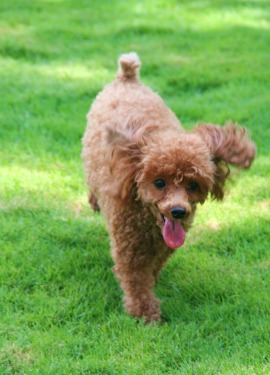
    Poodles are one of those dogs that come in a array of sizes. You can get a dog that's as small as 6 pounds (2.7kg)and as large as 70 pounds (31.75kg). They also have different temperaments. The Standard poodles are more relaxed where the toy and miniature poodles are more high energy. However, all of these dogs are intelligent and active. They need an adequate amount of exercise and are very much the companion. They are friendly towards strangers and are great with children.

  9. Dachshunds

    The Dachshund is known for its excellent temperament and lively personality. Coming in a variety of colors they have two sizes, regular and miniature. They are great with kids but can be a challenge to train for some owners. It's important to let them know who's boss. They don't require as much exercise as other breeds but are still happy with a daily walk.

  10. Rottweilers

    Rottweilers are known to be guard dogs. Their popularity has boomed as large dogs are climbing in popularity.They are very protective but will have a calm demeanor. This is a dog where pack order MUST be defined. Because of its large size, it's important to train and socialize it at a young age. They are friendly to visitors but at the first sight of danger, they're right on the situation. This is one of the reasons they are favored for police work, military work and customs patrol.

Other Dogs Of Note

Last year, the AKC added five breeds to the mix. This pushed the total number of breeds in the AKC to 173. The most popular newcomers were the American English Coonhound (#33), a descendant of the Foxhound and Finnish Lapphund(#104), a medium size shepherd dog best known in Finland for herding reindeer. Other additions included the Cesky Terrier (#106), the Entlebucher Mountain Dog (#146), on of the four Swiss Mountain Dogs. Also added were the Xoloitzcuintli (#155), that Mexican hairless dog and the Norwegian Lundehund (#170), a smaller spitz dog.

Large Leaps and Small Slips

There were two dogs who flew up the ranks in popularity. The Bernese Mountain dog climbed from #54 to #34 and the Belgian Malinois —famous for being police dogs— zipped from #94 to #74. Coonhounds fell in popularity. The one that had the steepest drop was the Black And Tan Coonhound (from #91 to #109).

Although, sometimes when dogs fall in popularity, that can be a good thing as breeders who are in it to make a quick buck will move on to another breed. However, most of the breeders who exist today do breeding to improve the quality of the breed, instead of trying to turn a huge profit. By knowing more about what breeds are out there, and what type of personality thye have, the better choice a prospective owner can make when it comes time to add a new member to the family.

Let's Discuss!

What is your favorite dog breed? Were you surprised with the top 10 rankings?

It's All Related

Oodle Dogs
K-9 Cops
Backyard Breeders
Coon Dog Cemetary
Top Ten Dog Breeds of 2010
The 10 Lesser Known Breeds Of The AKC

Friday, August 19, 2011

10 Lesser Known Dog Breeds Of The AKC

Spinoni Italiano by Johan Michaƫlsson


A few days ago, I went with my mom to the Corner Bakery and came across this unusual yet lovable dog. When I asked the owner what type of dog it was, she told me it was an Italian Spinoni (pictured above).

It made me think that with over 167 breeds, there are a few dogs that some dog lovers never even heard of or that have a small, devoted following. I wondered which dogs were not as popular and the top 10 and came up with the following breeds. One of the best things about getting a breed that is less popular is owners will not have to worry about over breeding.
Note: This does not mean that these dogs aren't great dogs, just dogs with fewer numbers.

So here are some of the more unknown dogs of the AKC. See if your dog made the list:

Ranked #158
Finnish Spitz
Known as the national dog of Finland, the Finnish Spitz is known for its hunting
skills and is great with children. It's a friendly dog yet cautious with strangers. They vary in shades of red but you will not find them only in that color.

It measures 16 to 20 inches (38-51 cm) and weigh 25 to 36 pounds (11-14kg). This breed is slow to mature. He is known for his thick coat but is a dog that can adapt to all temperatures. He is independent yet trainable and will shed quite a bit.

Ranked #159
Norwegian Buhund
Known as the dog of the Vikings, this dog has a rich history. The word buhund is derived from bu (meaning farm in Norwegian) and hund (meaning dog). These medium-sized dogs have a height of 16 to 18.5 inches (41 - 47cm) and a weight of 26.5 to 40 pounds (12 to 18kg). It has a coat in various colors such as white, wheaten, red, black and wolf sable. They have a short and harsh outer coat and a soft, wooly coat underneath.


Photo: Muu-karhu
Like the Finnish Spitz, this dog will shed heavily during the change of seasons. However, this dog is more of a shepherd than a hunting dog. It's high-energy is great for active families and ideal for children. Not only are these ideal shepherd dogs, they are also used as police dogs, tracking or therapy dogs. They are excellent watchdogs yet are friendly and have a gentle disposition.

Ranked #160
Skye Terrier
The Skye Terrier is a beloved breed to the people of England and Scotland. Originating from the Isle of Skye (islands northwest of Scotland), this is a true terrier in every sense of the word.

With a height that puts this breed low to the ground at about 10 inches (25.5cm) and having a weight that falls between 25 to 40 pounds (16-18 kg), this distinctive breed stands out for many reasons. All Skye Terriers have a body that is twice as long as their height.

They have a long outer coat, and soft, wooly undercoat which shields them from the brush. This is a dog that will be high-maintenance for grooming. Their colors include black, blue, gray-blue, dark or light gray, silver platinum, fawn or cream. Some you will find accented with white on their chest or black points on their ears or paws. They also have two types of ears: prick ears which stand up and dropped which fold over. Dogs with dropped ears tend to be more rare of the two.

Queen Victoria was a big fan of this dog. It doesn't require a whole lot of exercise and an every day walk is adequate for them. While they are an affectionate and loyal dog, this breed isn't for everyone. It's ideal for single individuals or senior citizens. It's a good breed for apartment dwellers. Being a terrier, it's likely to chase small animals. They are close to family but reserved with strangers.

Ranked #161
Otterhound

The Otterhound is a large dog that loves the water. This scent hound was originally bred to hunt otters, that has since fallen out of favor since sea otters have been added to the list to protect them from extinction. Like the NewFoundland these dogs are expert in the water and have webbed feet.

They are big dogs, standing 24 to 26 inches high (60-65 cm) and weighing anywhere from 66 to 115 pounds (30-52 kg). They

They are a dog that love the outdoors as well.They need to be in a living environment where they have plenty of room in the backyard and are taken on a long walk every day. They are eager to please and are wonderful therapy dogs. They are great around children and are a friendly breed but their large size and clumsiness may be overwhelming for some people.

While they love other dogs, they are liable to chase other animals such as cats. Training is challenging because this breed can be quite stubborn. They will need firm boundaries and they tend to get into messy situations. They will grunt, snort and drool. Still, they are good watchdogs and have a sweet disposition.

Ranked #162
Pyrenean Shepherd

Originating from the Pyrenees Mountains in France, these shepherd dogs are quite small compared to other breeds. They are 16 to 19 inches (40 - 48) in height and 25 to 32 pounds (11 - 14.5kg) in weight. You will find them in a multitude of colors and hair types. There are some that are smooth-faced and others that are rough-faced.
Photo: Ulyssebleu
Bred, with a job to do, these dogs don't like to sit still. They require much time for socialization but are highly trainable and intelligent. They are excellent candidates for agility. They need space to run and have a very high activity level. They are great with kids but wary of strangers.

Ranked #163
Canaan Dog
The Canaan Dog is an true beauty from the country of Israel. Considered one of the oldest breeds, has been around since the ancient middle ages (2000 BC). Known for their intelligence and independence this dog adapts well to most situations but can be hard to train since it needs a strong pack leader. Some may be good fits for apartment living but most will be comfortable in a larger living environment.

They range between 19 to 24 inches (48 - 61 cm) tall and weigh anywhere from 37 to 57 pounds (16 - 25 kg). They come in a variety of colors which include white, red, black or brown or have patches in two colors (like white and black). Their thick double coat isn't too long. It doesn't require as much grooming but will moderately shed throughout the year.
Photo: Yigal Parado
They are calm dogs who have a shepherd background. They are more versatile than a hard-core shepherd dog like the versatile which makes them open to trying new things. They are excellent with young children and other animals as they consider them members of the pack. Canaan Dogs thrive in agility and tracking. They make an excellent guard dog. Still, these dogs will train best with an experienced dog owner since they can have a manipulative side and require firm leadership.

Ranked #164
Dandie Dinmont Terrier

These terriers have an unusual name having been named after a Walter Scott novel from the 19th century. These adorable little dogs first popped up in southwestern Scotland. Basically bred for hunting vermin, these dogs have a similar look to the Dachshund and Skye Terrier.

Photo: Bonfire Buddy
Its colors are primarily Pepper, which is bluish-black, and mustard, which is variations of golden brown. They have a coat that needs to be regularly trimmed but minimally sheds. They are known for their big brown eyes and domed heads and are one of the oldest terrier breeds from Scotland.

These dogs have medium energy levels but will love to chase animals. They are trainable and respond best using positive reinforcement methods. They are ideal for an apartment setting due to their small size. They measure between 8 to 12 inches (20 - 30cm) tall and weigh between 18 to 24 pounds (8 - 11kg). They are reserved with strangers and very protective of their home like most terriers.

Ranked #165
Harrier
The Harrier looks very similar to the Beagle, but actually descends from the English Foxhound. They love to hunt rabbits and hares just like Beagles. These dogs are truly a rare breed with only 8 dogs registered last year in Canada alone.

They are 18 to 22 inches (48 - 55cm) and weigh anywhere from 45 to 60 pounds (20.4 - 27.2kg). Their colors are very similar to Beagles where you will find them with black, white & tan, red & white, black & tan, black, tan & white, lemon & white, tan, open-markings with lots of white and white.

They can be very vocal and make good watchdogs. They are outgoing and love people and other dogs. They are very people-oriented and are excellent family companions. They are the type that must be in a fenced-in yard because they will wander if they break free. They do have a stubborn and independent streak, so obedience training is a must for this breed.

Ranked #166
American Foxhound

The first American Foxhound was brought here in 1650 by Robert Brooke. These dogs are larger than their Harrier and Beagle counterparts. They are 21 to 25 inches high (53 - 64cm) and weigh about 65 to 75 pounds (29 - 34kg). Their coat can be any color but most of the time it will have two colors. It's a scent hound as well. When the dog fixates on a scent it will take quite a lot to get him to listen.

These dogs are famous in the Southeastern areas of the United States, like Virginia. Virginia has embraced this breed by naming it its state animal. American Foxhounds are true hunters.

American Foxhounds are calm and even-tempered. They love to run! Since they love to run and hunt, a home or farm environment is best for this breed. They don't care to be indoors unless it's to spend time with family. They get along great with children because of their gentle and tolerant nature. They will also get along with small animals if they're socialized at a young enough age.

Speaking of socialization, these guys can be tough to train and housetrain. They are best handled by experienced dog owners. Like the Harrier, this dog has a short coat and requires minimal grooming. They are also known for their loud howling voices.
Ranked #167
English Foxhound
The English Foxhound is one of the oldest breeds from America. It is also the rarest breed with only 17 dogs registered here in the United States. George Washington was especially fond of this breed. The main difference from the American Foxhound is that they are thicker and shorter. The English Foxhound will also resemble a Beagle more whereas the American Foxhound will resemble a pointer with their head shape.
Photo: AKC
This dog leads an active lifestyle and is best living in a large home or rural environment. Exercise is a must with this breed as is firm leadership. Both make great running companions, and this dog is good for accompanying horseback riders.

It is 21 to 25 inches high (53 - 63.5cm) and weigh 65 to 70 pounds (29.5 - 32kg). They have short, dense coats that are easy to groom. Their coloring is very similar to the American Foxhound. They work well with older children but young puppies of this breed may be too rambunctious for younger dogs.

All in all, the dogs above show that you don't have to be popular to be remarkable.

Let's Discuss!

What do you like most about these dogs? Have you ever had a rare breed?

Related Posts

When Dogs Become Too Popular

George Washington and General Howe's Dog
The Most Popular Dog Breeds
20 Dog Breeds That Make Great Running Companions
The Top Dog Breeds Of 2010

Sunday, January 30, 2011

The Top Dog Breeds Of 2010


The American Kennel Club has released its top ten dog breeds for the past year. While it's no surprise that the Labrador Retriever is the number one dog, many other breeds have risen to new heights.

The Top Ten

YearNumberBreed NameYearNumberBreed Name
20101.Labrador Retreiver20091.Labrador Retreiver
2.German Shepherd2.German Shepherd
3.Yorkshire Terrier3.Yorkshire Terrier
4.Beagle4.Golden Retriever
5.Golden Retriever5.Beagle
6.Bulldog6.Boxer
7.Boxer7.Bulldog
8.Dachshund8.Dachshund
9.Poodle9.Poodle
10.Shih Tzu10.Shih Tzu

Breeds On The Rise

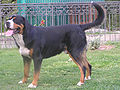
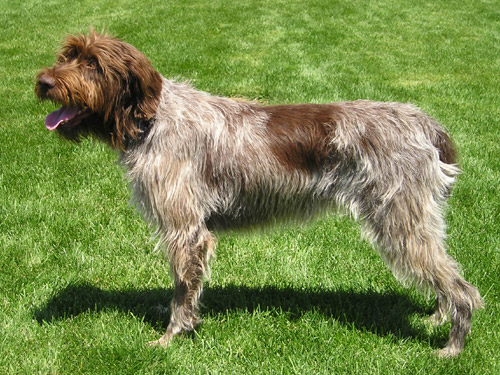
There were three breeds with the greatest increase over last year. The Wirehaired Pointing Griffon (pictured right) climbed 15 spots from 108 to 93. The Greater Swiss Mountain Dog (below) jumped from 101 to 88. The third to rise in the rankings was the Smooth Fox Terrier.


Another breed that has leaped in the rankings is the French Bulldog. Over the past decade, this breed has leapt from 71 to 21. Martha Stewart is a huge fan of the breed and that may be part of the reason it's become so popular over the years. The bulldog has seen its highest ranking in 100 years. Bob was the first bulldog registered with the AKC back in 1886.

Greater Swiss Mountain Dog

Smooth Fox Terrier - Wikipedia

How New Additions Of 2010 Fared
The three breeds added to the AKC did well with their registrations. The Leonberger (also known as the Lion Dog)was one of the more popular large breed registrations ranking at number 33. The next new breed from 2010 was the Cane Corso at 51. The Icelandic Sheepdog followed closely behind with being ranked 82 in registrations.

New Breeds for 2011

This year, the AKC added three new breeds eligible for breed competition. This year, the Norwegian Lundehund, the Xoloitzcuintli (known as the Mexican Hairless Dog) and the Entlebucher Mountain Dog are the newest breeds of the AKC. There are now about 170 breeds in the American Kennel Club.

If your type of dog isn't highly ranked, that can be a good thing. Many backyard breeders and puppy mills will go after the more popular breeds. Good breeders like it when there isn't as much popularity because you will receive a dog who's been bred to showcase the most healthy and strongest aspects of the breed.

If you would like to read more about the dogs of 2010, follow this link.

Let's Discuss!


What's your favorite breed of dog?

Related Posts

The Most Popular Breeds of 2009
Backyard Breeders
When Dogs Become Too Popular

Wednesday, August 18, 2010

Coon Dog Cemetery

Photo: Janice Williams, Colbert County Tourism & Convention Bureau

One day last year, I was watching the movie Sweet Home Alabama. It was a carefree romantic comedy that I found entertaining. One of the subplots in the movie had to do with the dog named Buddy that Melanie and Jake had when they first were married. He had passed and was buried in Coon Dog Cemetery.

About Coonhound Cemetery


In real life, there was a man named Key Underwood. His dog Troop had loved the camp where they would hunt all the time. In 1937, time had passed and and on Labor Day of that year, Troop crossed the Rainbow Bridge. It turned out his final resting place was Key Underwood Coon Dog Memorial Graveyard, (also known as Coon Dog Cemetery).

Every year, thousands of people from all over come to visit this historic cemetery. The Tennessee Valley Coon Hunter’s Association hosts a celebration at the cemetery on Labor Day every year. Entertainment includes music, dancing, food and a liar's contest.

What makes this cemetery unique is that the only dogs that are allowed are Coonhounds. Coonhound owners have this unique bond. Located in northwest Alabama, there are over 185 dogs buried there. This cemetery was inspired in 1937 by Key Underwood and his dog Troop who had hunted together for over 15 years. This spot originated at a camp and Troop loved being there.

Photo: Janice Williams
Today, it's a huge tourist attraction and still follows the same selective process of allowing Coonhounds to be buried there. When asked why other breeds of dogs aren't accepted, Mr. Underwood said "You must not know much about coon hunters and their dogs, if you think we would contaminate this burial place with poodles and lap dog." Find out more at the Coon Dog Cemetery website.

Coonhounds are a special breed of dog. Known to track raccoons and other similar animals, they are adored by hunters these dogs stand out in the crowd because they will point out the tree the animal runs up instead of just tracking the animal on the ground. There are seven breeds of Coonhounds, all of which are accepted by the UKC and AKC.

Coonhound Varieties


  • Black and Tan Coonhound
  • This breed originated from the American Foxhound and the Virginia Foxhound. Later on, part got thrown into the mix. As a result, these dogs are bigger boned and have those trademark black and tan markings. They range in height from 23 to 27 inches (58 to 69cm) and a weight of 50 to 75 pounds (23 to 34kg) for males. Females range in height from 21 to 26 inches (53 to 66cm) and 40 to 65 pounds in weight (18 to 29kg).They are active, fast, courageous and kind.
    Photo: Wikipedia
  • American Leopard Hound
  • American Leopard Hounds originated from Spain. They were brought to America and mixed with Mexican dogs. This breed will hunt larger game like cougars and bears, as well as, smaller animals. They are known for having great stamina and being able to tolerate extreme climates. They are easy to train and are eager to please.
    Photo: Coondogs.org
    Known for their spotted markings they come in leopard-color, red, brindle, blue and mousy colors. They are roughly the same height as the American Black and Tan Coonhound but their weight is 35 to 65 pounds (16 to 29kg) for females and 45 to 75 (20 to 34kg) pounds for males.
  • BlueTick Coonhound
  • These dogs are a combination of the English Foxhounds and the French hounds. This intelligent dog is great for families with older children. They are strong, independent dogs who have great speed on the trail. The ideal owner must be a strong pack leader to let the dog know what behavior is acceptable or unacceptable.
    Photo: Wikipedia
    Their coloring is mottled with blue markings with their ears tending to be black. Others may have tan markings but blue is the standard coloring. Height for the dogs is 22 to 27 inches (56 to 69 cm) for males and 21 to 25 inches (53 to 64 cm) for females. Weight ranges from 55 to 80 pounds (25 to 36 kg) for males and 45 to 65 pounds (20 to 29 kg) for females.
  • English Coonhound
  • The English Coonhound was originally bred to hunt foxes and raccoons. When the dog arrived in America, American owners bred the dogs to adapt to hunting opossums, raccoons, cougar and bear. This dog is capable of great speed and endurance. They are graceful as well. They have a pleasant and sociable personality.
    Photo: Wikipedia
    The height requirements of the hound are identical to the Bluetick Coonhound. Weight ranges in accordance to height. They come in a variety of colors including: red and white, lemon and white, black and white, redtick, bluetick and tricolor with ticking.
  • Plott Hound
  • The true origin of the Plott Hound is from Germany. Named after Jonathan Plott, these dogs were brought from Germany where they hunted wild boar to England in 1750, where they learned to hunt bears. His son Henry later settled in North Carolina in the early 1800's and to this day, the dog is beloved by the state for its big game hunting. The breed is active, fast, cute, confident alert and courageous. It's an effective treeing dog and loves the water.
    Photo: Dr. Dominik Hessenmƶller
    The Plott Hound is known for its brindle coloring. You'll never find this dog in a single color coat but any variation of brindle is common. Plott Hounds are approximately 22 to 27 inches (50 to 71 cm) at the withers for males, 21 to 25 inches (53 to 58 cm) for females. Males should weigh 50 to 75 pounds (23 to 27 kg). Females should weigh 40 to 65 pounds (18 to 25 kg).
  • Redbone Coonhound
  • These dogs of Scottish ancestry were bred to hunt bear, cougar and raccoon. The modern-day Redbone hails from Georgia. This agile breed can cover terrains from swamplands to the mountains. They are water dogs who have an even temperment, are affectionate and love to please.
    Photo: Wikipedia
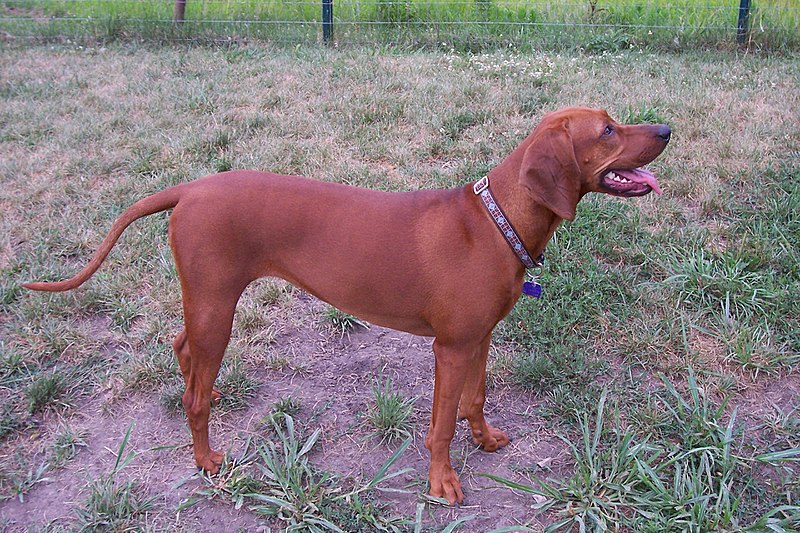
    This breed is one of the most distinguishable coonhounds because of its lustrous red coat. It used to be a combination of red and black but the black markings were bred out of it. Now, it's common to see an plain red coat or a red coat with a white chest. The height of these dogs are 22-27 inches (56-69 cm) for a male, with females being slightly shorter at 21-26 inches (53–66 cm). Weight should be proportionate to build.
  • Treeing Walker Coonhound
  • Treeing Walker Coonhounds were named after Thomas Walker, a man who brought the breed to Virginia in 1742. These breeds were foxhounds that were crossed with Virginia hounds. They are very similar to the Black and Tan Hound. This energetic dog is a favorite among Coonhound lovers for its energy and excellent treeing instinct. Intelligent, active, courteous, composed, confident, fearless and kind, this dog has an extreme endurance and a love for competition.
    Photo: Wikipedia
    The height of these dogs is 22 to 27 inches (56-69 cm) for males, and 20 to 25 inches (50 to 58 cm) for females. Tri-colored are the predominant coloring for the breed. However, it's also common to find these dogs with black and white as well as white with tan.

Let's Discuss!

Have you visited this special place? What is your favorite Coonhound?


Learn More About This


Coon Dog Cemetery Website
Colbert County Tourism and Convention Bureau
United Kennel Club
American Kennel Club
Coondogs.org
Sweet Home Alabama (Available From Amazon)
How To Raise And Train A Coonhound by S. Henschel


Reminder: There are only two days left for a chance to win a $40 gift card from CSN Stores. Tell us all about what your dog has destroyed in the comments section.

What My Dog Loves To Destroy

Friday, July 23, 2010

Making Headway With Homer


Having a beagle isn't like having other dogs. They are one of the most misunderstood breeds out there. They are one of the cutest breeds and are calm, loving dogs, but their energy level can shoot through the roof. As a result, they are one of the most common breeds you will find in shelters. This week has been a roller coaster ride when it comes to understanding why Homer does what he does.

Oh Homer!

This week was extremely challenging with Homer. It seemed that every chance he got, he would bring something that was inappropriate to chew in for us to see. One moment it was a pillow from the couch in the living room. The next time he would bring in a pillow from my mom's bed. After taking that away from him, he brought in one of the bathroom rugs.

When he does this, he does this to destructively chew. The kicker was when he went into the living room after I put all the pillows away to grab the seat cushion of my mom's favorite chair. When it was too quiet, I went to check on him after a few minutes and was in complete disbelief. There on the floor, I saw the seat cushion with a chunk removed from the corner.

When Reality Hits


It was apparent that Homer was acting out and my mom and I were at the end of our rope. My mom decided to call my brother to figure out what would be best for Homer. After a rough night and not knowing what to do, I left the decision up to my mom.

The next morning, my mom came to the decision that we were giving Homer two more weeks to see if we can improve the living situation. I was looking at abeagle rescue group and the one that I saw had at least 50 dogs up for adoption in the midwest alone. That's a lot of dogs! I had agility with Homer later that day and one of the agility teachers last week said that one of the ladies who work in the build is a dog behavior expert and that it would be good for me to talk to her.

Beagles 101

I arrived at agility about 15 minutes early. After sitting with Homer for a bit, I thought I would seek out Nancy Reyes from For Your Canine before class. When I went to her office, she took a few minutes to talk to be about Homer. It turned out that she was a beagle owner as well and had a 13 year-old beagle named Bailey.

After observing Homer and having him play with a bigger German Shepherd, Nancy discovered these things.
  1. Homer wasn't getting enough exercise. When Homer first came into our house, it was a couple of months ago. The weather was cooler and less humid and it was easier to give him a good workout. When summer arrived, it wasn't as easy to get out and exercise him. Running the risk of heatstroke was not worth the extra time outside. Homer got tired of playing fetch inside too.

    Nancy then informed me that Beagles were bred to hunt. They are always using their noses and are motivated by food. He was acting up for attention because he was bored and didn't have enough to do. She showed me a game that I could do with Homer. It was called find it. You take a treat in break it into little bits and place the bits in a spot that they could find with their nose.

    For a beagle playing scent games and making the dog use their nose, is as good of a workout as having them run a mile.
  2. Homer was relentless with Gigi. Gigi is a very sweet, laid-back and docile dog. She loves a good walk but is happy when she gets her treats and her exercise. Homer knowing that Gigi has a playful side is too alluring. As a result, he's always on Gigi to play with him. It turns out that even though Gigi has a high energy level, Homer's energy level is much higher. When Gigi says "I've had enough", Homer would tell her "I want to play more".

    Also, Homer will steal the toy she's chewing because he wants it. When I told Nancy about this, she told me to take it away from him. When she found out that I do that already, she said if he does it again, to give him a time out. Unfortunately, with Homer's penchant for pillows, the only thing I can do is put him in his crate. She told me that was ok because he needs to learn his boundaries. As for when he gets too much for Gigi, I need to give him an activity to keep him engaged.
  3. Homer is a major worrier.During much of his puppyhood, Homer was left by himself in a crate for hours at a time. His previous owner knew that he needed more of a human presence in his life since Beagles are such strong pack dogs. Homer has quite a case of separation anxiety. All dogs have their fears, and not knowing how to handle this breed, didn't help with his fearfulness. Where I thought he was being aggressive, he was acting out in fear.

    Time and patience are instrumental in helping Homer overcome his fears. If the dog owner doesn't stay calm, the dog will sense that.
  4. Homer bouts with carsickness. Although this affects many dogs, there's a very good chance Homer will grow out of this. It helps having him ride in the front seat and he loves to put his head out the window. I was relieved to learn this.

Moving Forward

Speaking to another beagle owner has helped me realized that Homer is an incredible dog. While no dog is perfect, understanding what motivates your breed, makes a huge difference in helping to train them. Beagles are unique because once you master what makes them tick, the rewards will be worth all of the work. Agility has been great for refocusing Homer's excess energy. It's helped give him some obedience skills as well. I hope to be able to arrange play dates with other dogs and take them on outings. I have high hopes that I will be able to stick with Homer and bring out the superstar that lurks underneath.

Let's Discuss!

Have you worked with a breed of dog that is difficult? What were some methods you used that helped?

Related Posts

When Your Dog Is Fearful
When Your Puppy is Too Peppy
The Newest Member Of The Crew
4 Reasons Your Dog Likes To Destroy Things

Monday, February 8, 2010
20 Dog Breeds That Make Great Running Companions


Photo From Flickr

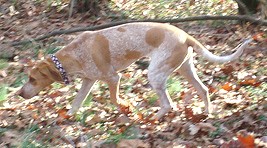
Many dogs make great running partners. Running is a great way to bond with your dog and keep them in shape. Generally, running dogs are medium sized and have short hair. Also, there are three important qualities that make a great running dog:

  • Their genetic temperament, is it friendly or not?
  • How well they're socialized.
  • How well they're trained.

There are many active breeds out there but not all of them are made for running. Here are the ones that work well for this sport.

Short Distance Running

1. Greyhound
These dogs were born to run (as the famous Bruce Springsteen
song says). The biggest misconception is that they like to run for miles and miles. They don't. They will most likely run for 2 to 3 minutes and then become a couch potato the rest of the day. If you are a sprint runner or like to go for quick jogs, this dog is ideal for that. The only caveat this dog will be prone to chasing small animals.

2. Whippet
These are very similar to the Greyhound. They are friendly and I would say the biggest difference is the large curve in their back. They can run up to 35 mph (Greyhounds run up to 45 mph). They are sight hounds known for their sweet and gentle nature.

Long Distance Running

3. American Pit Bull Terrier
This strong dog is a great running companion. They have a high activity level and love to run. They have enormous endurance as well. It's important that these dogs are well-socialized since they can have an aggressive streak toward other dogs.

4. American Staffordshire Terrier
These dogs are very similar to the Pit Bull but have these differences: It has a larger head and is a heavier dog than the American Pit Bull Terrier. Also, these dogs are registered as American Pit Bull Terriers in England but are registered under the American Staffordshire Terrier in the U.S. Pit Bull Terriers are registered as a separate breed in the states. This breed is gentle towards children when socialized as a puppy.

5. Australian Cattle Dog
Never known by just one name, this famous breed is also called a Queensland Heeler. You may even hear there goes a Red Heeler and Blue Heeler which are in reference to the dog's coat color. These dogs are only about 18 inches(45.7 cm) high and weigh 35 pounds (16 kg). They are not dogs for children but have a strong work ethic that will make a great running partner.

6. Australian Shepherd
This dog is good for running. It's a shepherd dog so you may have to correct its inclination to run in circles as shepherd dogs are known to do. They have longer hair than the Australian Cattle Dog so it's best to run with them when the weather is cooler.

7. Border Collies
These medium-sized dogs are ideal for running. Considered one of the most intelligent dogs, these dogs get bored easily and have a high energy level. Known for soaring to the top in agility, these dogs are an ideal match for running.

8. Boxer
These dogs are one of the best for running. They have the idea size and coat type. They are generally friendly but may have a tendency to chase smaller animals since they were bred to hunt them originally. Also, with their short muzzle, you have to watch out for them in the hot summer weather.

9. Brittany Spaniel
These dogs are highly intelligent with a need to please. They have a high activity level. If they're not utilized properly, they will become destructive. They also need an experienced owner who will be assertive with them so they know their place in the pack, otherwise they can be nervous.

10. Coon Hounds
These are a rare breed who are well known in the southern U.S. states like Alabama. They are famous for helping hunt raccoons. They are a great watchdog and since they are also a working dog, they have bundles of energy. They are an ideal breed for running.
Photo from puppypoopy.com

11. Dalmations
As you know, Dalmatians are famous for being coach dogs who accompanied horses on their route. They have a high level of energy. If you have one that is prone to deafness, you will have to use good sign commands on your run.

12. Doberman Pinschers
These dogs are known for their superb guard dog abilities. They also make a great running companion if they are well socialized. With a dog this size, you have to watch for hip dysplasia and other joint diseases as they get older.

13. Fox Terriers
As much as these little dogs love people, they were initially bred to hunt animals. They are fearless when it comes to other dogs. Size does not matter. Fox terriers have quite a bit of energy and tend to bark a lot. If they are well-socialized by the time they are six months, it is most likely they won't be aggressive toward other dogs.

14. German Shepherds
What can't these dogs do? Famous for being a police dog, rescue dog and a war dog, these highly intelligent dogs epitomize work. They love to please their owners. With their thick coat, it's best to run them in the cooler times during the summer. As they age, because of their larger size, they are a target for bone and joint problems as well.


15. Jack Russell Terriers
Even though these dogs will stand about 15 inches (38.1 cm) they are one of the original working dogs. They are able to do any activity imaginable with their boundless energy. Their muscular body and athletic nature makes them a great running pal.


16. Rhodesian Ridgeback
Originally bred to hunt lions in South Africa, this docile hound makes a great running companion. It's called a ridgeback because of an area of hair that grows the opposite on its back. Although these guys are hound dogs and they make great couch potatoes, they have a high level of endurance that makes them great distance running dogs.

17. Siberian Huskies
These beauties are always willing to please. Bred to pull, they may be a handful when you first start running. They will have a tendency to circle so with a little time and patience, they can develop into the ultimate running dog. Just like German Shepherds, they need to be run during the cooler times because of their lush coat.
Photo from morguefile.com
18. Standard Poodles
Although poodles are associated with a pampered lifestyle, these dogs have energy to spare. They are highly intelligent, intuitive people-pleasers that love the water and the land. They love to hike and run and the more active you keep them, the more they like it. They are known for their fluffy coat but are really quite substantial underneath it all.


19. Vizslas
These natural hunters are super-affectionate towards their owners. They are naturally high-energy and nothing makes them happier than being with their owner. They do have a sensitive streak. Originating from Hungary, this dog breed thrives in a lifestyle with plenty of outdoor activity. They are medium-sized standing about 22 inches high (55.8cm) and weigh about 50 pounds (23 kg).
Photo from morguefile.com
20. Weimaraner
This tall dog (23 to 27 inches, 58 to 68 cm) originated from the Bloodhound in Germany. This gray beauty is a gentle dog and ideal for children as well as a watch dog. It's known for its high endurance and stamina and muscular physique. When running together, it may get distracted by smaller animals so it's a good idea to have it well-trained before starting your exercise regimen.

Special Mention

Mixed Breeds
Just like pure bred dogs, mix breeds come in all shapes and sizes. Maybe your mutt has some of these breeds' characteristics.

Gigi (pictured above) would be a great dog for running. She's naturally energetic and gets antsy when she hasn't had enough exercise. She loves to run around in circles when she's waiting for me to open the gate when I get back from our walk. If I ran regularly, even though she's smaller, she definitely would be a good candidate for this activity.

Let's Discuss!

Do you run with your dog? What breed of dog have you had the most success?
All dog photos used are from Wikimedia Commons unless otherwise noted.
Other Running With Your Dog Resources
Running With Man's Best Friend
Running with your Dog: A Perfect Way To Improve The Health And Fitness Of Your Dog by Susan Sarubin (Digital Download)
Doggy Blogging

Related Posts
8 Tips For Running With Your Dog
Let's Run A Mini-Pictorial
Workouts for Owners and Dogs

BlogCatalog

Dog Blogs - BlogCatalog Blog Directory